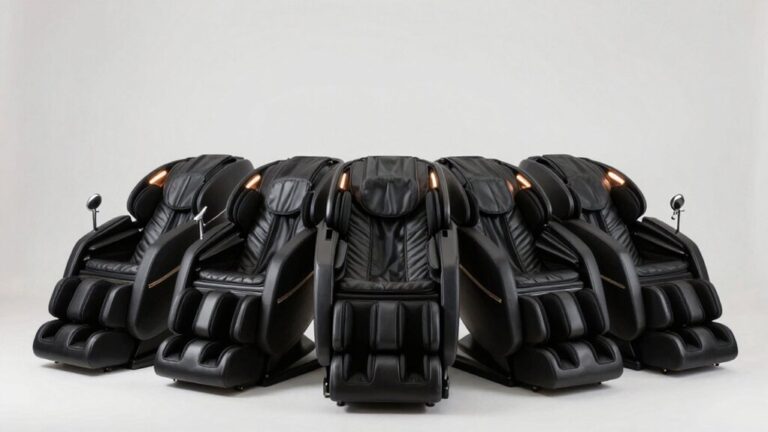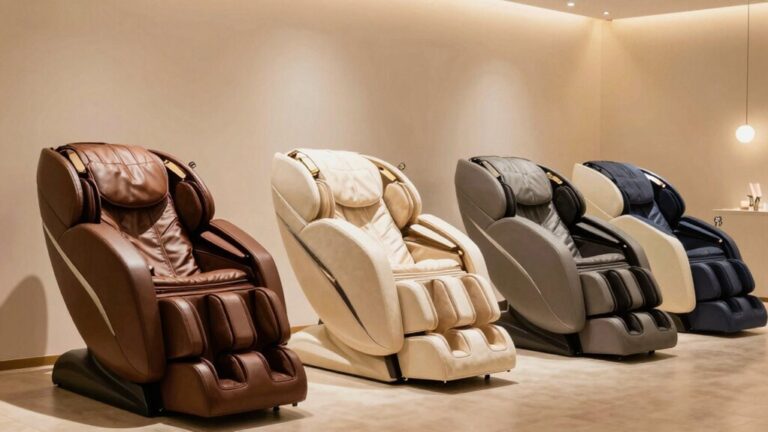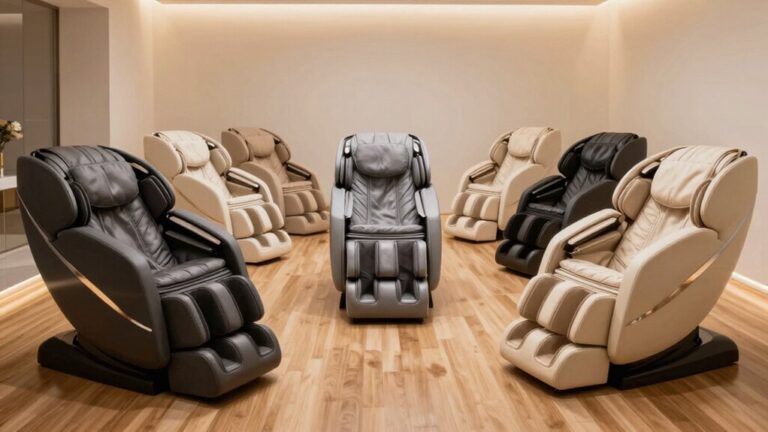
You’ll experience seated massage therapy targeting your neck, shoulders, upper back, and arms while fully clothed in an ergonomic chair. Sessions typically last 10-30 minutes, combining techniques like spine walking, myofascial release, and acupressure to reduce muscle tension and stress. Therapists employ Swedish and Shiatsu methods that stimulate blood flow, decrease cortisol levels, and increase endorphins. You’re accessible to chair massage at corporate offices, airports, and healthcare settings. Understanding the specific techniques, safety considerations, and ideal settings requires exploring further.
Understanding Chair Massage: A Modern Approach to Wellness
Chair massage represents a practical, accessible form of seated massage therapy delivered without requiring you to remove clothing, typically lasting between 10 and 30 minutes. You’ll experience targeted pressure and manipulation techniques focused on high-tension areas: neck, shoulders, upper back, and arms. This approach provides short-term relief from muscle tension, stress, and headaches rather than holistic full-body treatment. Ergonomic chair positioning enhances the therapeutic benefits of these sessions. Research demonstrates that chair massage effectively lowers cortisol levels, reducing stress and promoting relaxation in workplace settings.
For organizations, chair massage serves as an innovative employee retention strategy, demonstrating genuine commitment to worker wellness. You can integrate sessions seamlessly into workplace schedules during lunch breaks or between meetings without disrupting productivity or appearance. These programs create professional development opportunities by fostering a culture prioritizing employee health. By offering accessible wellness interventions, you enhance morale, job satisfaction, and workplace loyalty while positioning your organization as forward-thinking and employee-focused.
The Evolution of Seated Massage Through the Years
While massage therapy’s roots stretch back thousands of years across multiple civilizations, the seated format you know today evolved through distinct historical phases. Japan pioneered mechanized massage development in the 1950s when innovators like Nobuo Fujimoto and Niichi Kawahara created wooden prototypes using bicycle chains and baseballs. Their designs replicated traditional finger pressure techniques, and the bath house massage industry rapidly adopted these chairs, spurring widespread refinement. These early massage chairs became integral to holistic medicine practices that aimed to restore both mental and physical balance.
The West later embraced seated massage through David Palmer’s 1986 patent of a specialized chair design. Palmer’s 15-minute protocol transformed accessibility, attracting corporate clients like Apple Computers. Research has demonstrated that massage chairs can lower cortisol levels by up to 31%, significantly enhancing stress reduction benefits for users. Modern chairs now feature sophisticated techniques including Shiatsu and kneading methods that replicate therapeutic hand movements with precision. Japanese manufacturers like Fujiiryoki have pioneered advanced body scanning technology that enhances the precision of these therapeutic experiences. Contemporary advancements introduced 3D and 4D rollers that authentically mimic human hand movements, evolving seated massage from simple wooden frames into sophisticated wellness devices addressing stress relief and pain management globally. Premium models now incorporate AI-driven health detection systems that customize massage intensity and technique based on individual body conditions. Modern massage chairs now integrate microprocessor technology that coordinates multiple mechanical components to deliver personalized therapeutic experiences.
Core Techniques Used in Chair Massage Sessions
Modern chair massage sessions employ several distinct techniques that work synergistically to address tension, improve circulation, and promote relaxation throughout your body. Spine walking targets musculature supporting your vertebrae, preparing deeper layers for additional work. Neck and shoulder techniques utilizing fingers and knuckles release chronic tightness in trapezius and sub-occipital regions. Deep tissue methods employ myofascial release through forceful pressure and kneading, flushing lactic acid from damaged tissues while reducing cortisol levels. Swedish and Shiatsu techniques warm muscles through rhythmic tapping and acupressure point stimulation. Foot and leg applications incorporate reflexology and heated rollers addressing lower extremity tension. Features like the Zero Gravity Sleep System™ found in premium massage chairs enhance the effectiveness of these applications by optimizing body positioning. Joint mobilization movements enhance flexibility throughout your session, creating extensive therapeutic benefits across multiple body regions simultaneously. These techniques work best when combined with evenly distributed weight positioning to minimize spinal and joint pressure during treatment. Advanced 4D massage chairs utilize dynamic rollers that adjust in real-time to deliver these techniques with consistent depth and targeted relief. Orthopedic specialists and chiropractors increasingly recommend chairs with 3-level zero gravity recline for their spine-unloading precision and clinical-level relief benefits. Many modern massage chairs feature automatic modes designed to target specific areas like the neck, shoulders, and lower back with precision. Vibration therapy can further improve bone density and muscle strength, particularly benefiting those focused on injury recovery and bone health.
The Science Behind Chair Massage Benefits
As you settle into a chair massage session, your body’s physiological systems activate a cascade of therapeutic responses supported by extensive clinical research. The biological mechanisms behind chair massage operate through multiple pathways: kneading and tapping techniques stimulate blood flow, enhancing oxygen and nutrient delivery to tissues while reducing inflammation.
Your stress reduction outcomes manifest through cortisol decline and endorphin release, documented in randomized controlled trials showing statistical significance (*p* < .001). These chemical shifts improve cognitive function, mental clarity, and sleep quality. Simultaneously, targeted massage addresses chronic pain in your lower back and shoulders, decreasing pain interference with daily activities (*p* = .008). The evidence demonstrates that regular chair massage sessions activate interconnected systems supporting both mental wellness and physical recovery through measurable, reproducible physiological changes. Premium massage chairs now feature heated 4D rollers and AI adaptive programming that automatically adjust to your body’s specific needs. Enhanced circulation from massage chair use also facilitates faster healing of tissues by increasing oxygen delivery to damaged muscle fibers and accelerating the removal of metabolic waste products. For users seeking comprehensive coverage, features like extended L-track rollers ensure that massage benefits reach all areas of the body from neck to toes. Top models in the market offer tri-zone heated massage capabilities that provide targeted warmth to specific problem areas while delivering therapeutic benefits. Luxury options like the Daiwa Supreme Hybrid Massage Chair incorporate innovative massage techniques and cutting-edge technology designed to mimic the work of skilled therapists. Studies show that massage chairs provide effective temporary relief for various types of discomfort, though they work best as supplements to professional therapy rather than complete replacements.
Where and When You Can Experience Chair Massage
Chair massage services aren’t confined to traditional spa settings—you’ll find them across diverse locations tailored to fit your schedule and accessibility needs. Corporate clients benefit from on-site programs in offices, conference rooms, and break areas throughout metropolitan regions like Silicon Valley. You can access services weekly, biweekly, monthly, or quarterly depending on your preference. Healthcare settings and airports also offer convenient options, with San José Mineta International Airport featuring full-body massage chairs available pay-per-use during standard operating hours. Therapists operate seven days weekly, 365 days yearly, accommodating sessions from five to thirty minutes. Clothed massages eliminate preparation time, while prompt booking systems streamline scheduling. Whether you need stress reduction during work or relaxation before travel, chair massage adapts to your lifestyle and location requirements. Premium airport lounges, such as American Express Centurion Lounges, previously featured complimentary spa services at select locations before shifting their focus to expanded seating. Hospitals increasingly install commercial-grade massage chairs in patient lounges and recovery areas to provide non-pharmacological stress relief and improve patient well-being. Black Card members enjoy complimentary access to hydromassage beds and massage chairs in designated relaxation zones as part of their $24.99 monthly membership upgrade. For fitness-focused wellness, Black Card members at Planet Fitness can access massage chairs in their Relaxation Zone as part of their membership upgrade. LoDo Chair Massage brings on-site services directly to corporate events, trade shows, and conventions throughout the Silicon Valley area. In the greater Los Angeles region, providers like The Back Rub Company and Sacred Splendor offer specialized chair massage therapy across areas including Santa Monica, Burbank, Pasadena, and Orange County for both corporate and personal wellness needs.
Important Safety Considerations and Who Should Avoid It
While chair massage offers convenient access across numerous settings, you’ll want to understand the medical conditions and operational guidelines that determine whether it’s appropriate for your individual circumstances. Pregnancy, implanted cardiac devices, and deep vein thrombosis require clinician consultation before use. For pregnant individuals specifically, limiting sessions to 15-20 minutes and using only low, gentle settings helps ensure safety for both mother and baby. Severe osteoporosis, recent fractures, and neuropathy demand cautious avoidance due to unintended health consequences like fractures or burns. You should limit sessions to 15-20 minutes, three times weekly maximum, starting with low intensity. To avoid muscle fatigue and other complications, avoid overuse by adhering to recommended frequency guidelines and listening to your body’s signals. Stop immediately if you experience numbness, tingling, chest pain, dizziness, or swelling. Never fall asleep during operation. For those with implanted cardiac devices, consult your cardiologist about electromagnetic field interference before using a massage chair. Keep air vents unobstructed by not draping blankets over intake or outlet areas to prevent overheating and equipment malfunction. If you’re considering a massage chair purchase for medical reasons, you may want to explore whether it qualifies as a Letter of Medical Necessity from your healthcare provider for FSA or HSA reimbursement. Many retailers partner with HSA/FSA reimbursement platforms to streamline the approval process for medically justified purchases. Though chair massage has limited therapeutic use for certain populations, understanding these contraindications guarantees you maximize benefits while minimizing risks and protecting your overall health.