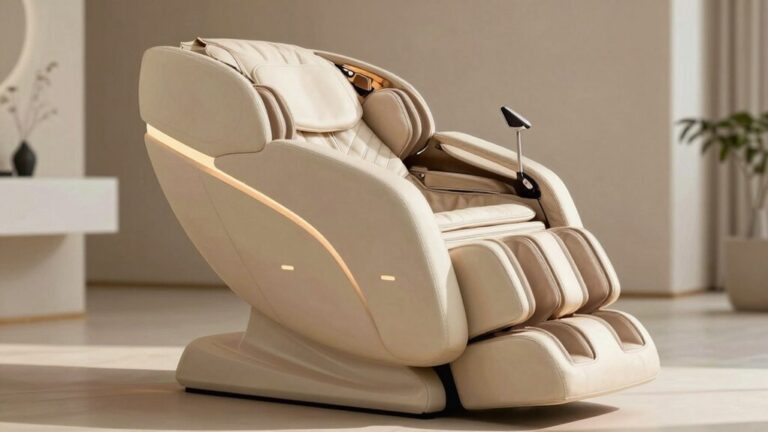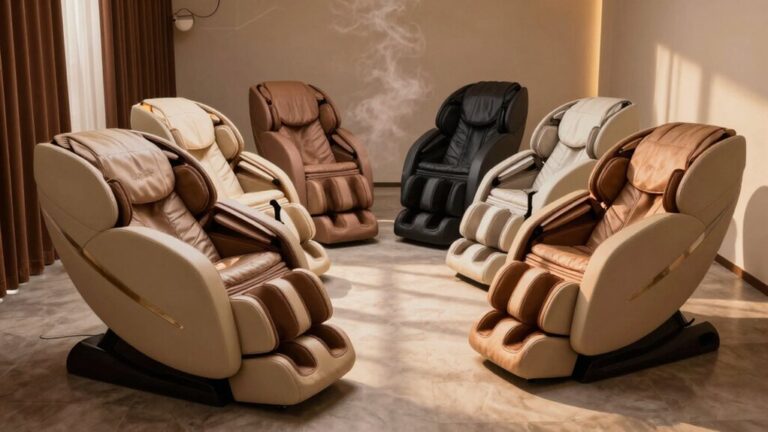

You’re investing in a sophisticated wellness device that combines body-scanning technology, AI-adaptive rollers, and targeted airbag compression to deliver personalized therapeutic massage. These systems map your unique physiology, identify spinal curvature and muscle tension distribution, then calibrate kneading motions and pulsating pressure accordingly. Integrated heat elements dilate blood vessels, enhance tissue oxygenation, and trigger parasympathetic responses that lower cortisol levels. The synergistic combination addresses your anatomical needs while blocking pain signals through gate control mechanisms. Understanding how these advanced features optimize your recovery reveals why massage chairs have become clinical-grade wellness solutions.
Understanding Massage Chair Technology
Modern massage chairs employ sophisticated body-scanning technology that maps your unique physiology to deliver precisely calibrated therapeutic interventions. Intelligent sensors identify your spine’s curvature and muscle tension distribution, enabling real-time adjustments to roller pressure and airbag deployment across your neck, back, glutes, and feet.
The massage chair mechanism operates through multi-dimensional roller systems—ranging from 2D lateral movements to 5D AI-adaptive intensity modulation—that replicate skilled therapist techniques. Your chair’s track system (S-Track, L-Track, or SL-Track) follows your body’s contours while heat elements and rhythmic airbag compression enhance body heat circulation and promote blood flow. SL-Track systems stand out by following the spine’s natural curvature from neck through lower back and extending under the seat to reach the glutes, upper thighs, and sometimes hamstrings for comprehensive full-body coverage. These heating elements work synergistically with the mechanical systems to accelerate recovery and improve overall circulation throughout your body. Advanced models incorporate zero-gravity positioning that elevates your legs above your heart for optimal pressure distribution and enhanced therapeutic benefits. The most sophisticated chairs feature 4D technology that adds variability in speed, rhythm, and pressure to create lifelike, fluid massage experiences with automatic real-time adjustments. Clinical studies demonstrate that 3-level zero gravity recline positions significantly reduce spinal compression and improve the therapeutic efficacy of massage sessions.
Bluetooth connectivity and app integration allow you to customize sessions according to your preferences. 4D chairs deliver more advanced personalization with deeper muscle tension relief compared to basic 2D models that provide simple up-and-down or side-to-side movements. This synergistic combination of biomechanical engineering and artificial intelligence guarantees each massage targets your specific anatomical needs with clinical precision.
How Massage Rollers and Airbag Systems Work Together
While advanced sensors and AI algorithms determine your body’s precise contours, the real therapeutic power emerges from how two distinct mechanical systems—rollers and airbags—work in concert to address muscle tension across your entire frame. Rollers deliver kneading and stretching motions along your spine and lower back, accessing superficial musculature with controlled depth. Airbags complement this action by targeting hard-to-reach zones—shoulders, arms, legs, and feet—through integrated pressure distribution via electro-valve sequencing. When combined, pulsating airbag compression enhances roller penetration into deeper tissue layers, creating synergistic massage techniques that simulate therapeutic hands. This alternating inflation-deflation cycle with mechanical motion amplifies circulation enhancement and myofascial release, optimizing your recovery outcomes through inclusive, full-body treatment. The intelligent pressure distribution system ensures airbags avoid sensitive areas while concentrating therapeutic force on tension-prone zones throughout your body. Premium massage chairs often feature heated 4D rollers that provide advanced kneading capabilities for enhanced therapeutic effectiveness. Expert endorsements highlight how zero-gravity positioning enhances the therapeutic benefits of these mechanical systems by reducing spinal compression during treatment. Top-performing chairs feature deep-tissue massage capabilities that work synergistically with airbag systems to maximize therapeutic effectiveness. Advanced models incorporate SL-Track Shiatsu massage technology that extends massage coverage from neck to feet for comprehensive relief. Modern massage chairs come in various categories like zero-gravity designs that optimize positioning for maximum therapeutic benefit during treatment sessions.
The Science Behind Heat Therapy and Muscle Relief
Beyond mechanical manipulation alone, heat therapy in massage chairs activates fundamental physiological mechanisms that amplify muscle relief and hasten recovery. When you apply heat to targeted areas, thermal energy dilates blood vessels, enhancing tissue oxygenation and nutrient delivery. This vasodilation simultaneously accelerates metabolic waste removal—particularly lactic acid accumulation—from fatigued muscles.
Heat increases soft tissue elasticity, rendering muscle fibers more pliable and reducing stiffness considerably. The warmth stimulates your parasympathetic nervous system, lowering cortisol levels while triggering endorphin release. This cortisol reduction has been documented to reach decreases of up to 31% in clinical studies. Combined with mechanical pressure, this dual action activates gate control mechanisms at your spinal cord, effectively blocking pain signal transmission to your brain. Research demonstrates significant reductions in pain scores across various conditions when heat and massage are combined therapeutically. Many massage chairs incorporate air compression and roller systems to enhance the therapeutic benefits of heat therapy. Advanced heating options such as infrared rollers and lumbar heaters further enhance circulation and targeted tension relief throughout the body. These coordinated therapeutic components work through computerized systems to optimize the timing and intensity of heat and massage delivery for maximum effectiveness. Models like the Osaki OS-Champ feature zero-gravity positioning combined with heat technology to maximize the therapeutic benefits during your recovery sessions.
The result? Accelerated post-exercise recovery, improved range of motion, and sustained pain relief through evidence-based physiological pathways.
Body Scanning and Personalized Massage Customization
Three distinct sensor technologies—mechanical contact sensors, infrared systems, and digital scanning arrays—work together to map your body’s unique contours and establish precise massage parameters. During scanning, the chair initiates spinal structure mapping to identify your S-shaped curve, detecting shoulder height, leg length, and torso dimensions within 15 seconds.
This accurate body measurement captures three-dimensional data across your back, shoulders, and musculature distribution. The chair’s advanced algorithms then perform data driven massage customization, calculating ideal roller positioning, intensity levels, and massage depth based on your specific anatomy and muscle tension patterns. Many of the latest AI massage chairs utilize smart body scanning technology to enhance the precision of these personalized assessments. Premium models like the Human Touch Super Novo incorporate cloud touch acupressure capabilities to further refine therapeutic outcomes. High-end chairs featuring dual mechanism technology with both 4D and 2D rollers provide comprehensive coverage for enhanced therapeutic customization. Leading-edge models like the Cozzia Quantum use 27 precision pressure sensors for real-time adaptive pressure that responds to your body’s unique needs.
Your personalized settings automatically adjust kneading, rolling, and tapping mechanisms accordingly. Advanced models employ 3D and 4D technology for enhanced detection of forward pressure and spinal curvature, delivering clinically calibrated therapeutic relief tailored to your individual physiology. The system also maps areas of back rigidity to differentiate between tight muscles requiring focused kneading and relaxed areas needing gentle treatment. Models with extended SL-track systems provide enhanced coverage for complete spinal alignment and lower body relief.
Key Health Benefits for Pain and Tension Management
Because massage chair therapy activates your body’s natural pain-blocking mechanisms through gate control theory, you’ll experience clinically significant pain reduction comparable to traditional physiotherapy. Visual Analog Scale assessments demonstrate substantial improvement (P < .001) without complications or pain aggravation.
You’ll achieve muscle stiffness alleviation through zero-gravity positioning, which decompresses your spine and enhances biomechanical parameters including relaxation time and creep. Studies involving 2,887 participants confirm positive muscle relaxation outcomes post-treatment. Regular massage chair use provides preventative care for musculoskeletal issues that develop from prolonged sitting and daily strain. These chairs utilize mechanized rollers mimicking therapist hands along with airbags for comprehensive deep-tissue treatment. Advanced models incorporate features like reflexology foot massages to extend therapeutic benefits throughout your entire body. Top-rated options such as the Relaxe Zero-Gravity Shiatsu Massage Chair offer customizable powerful massages with automatic shoulder detection for enhanced targeted relief.
Your pain management effectiveness extends beyond physical relief. Massage chair sessions decrease cortisol levels by 31% while simultaneously increasing serotonin and dopamine production. This hormonal rebalancing reduces tension, mental fatigue, and subjective stress perception. Research has demonstrated that mental health concerns show more significant benefits compared to physical health outcomes in massage chair utilization studies. High-quality massage chair models function as durable preventive health investments that minimize medical costs over time. The cost-effective accessibility supports sustained daily use, delivering measurable health benefits that rival physiotherapy outcomes while maintaining exceptional user satisfaction ratings.
Advanced Features That Enhance Your Massage Experience
While massage chair therapy‘s physiological benefits provide substantial pain relief and stress reduction, the technology powering these outcomes depends on sophisticated mechanical and digital systems working in concert. Personalized body mapping utilizes infrared sensors and facial recognition to create digital blueprints of your unique anatomical structure, identifying precise shiatsu points and tension zones. Proprietary massage algorithms then coordinate multiple systems—4D rollers, air compression modules, and heat therapy elements—in synchronized sequences that adapt in real-time to your body’s responses. This integration guarantees that roller intensity, airbag inflation patterns, and thermal application adjust dynamically throughout your session. The result is a therapeutically optimized massage experience tailored specifically to your individual physiology rather than delivering generic, one-size-fits-all treatment. Zero gravity positioning further enhances this personalization by distributing weight more evenly across your body while elevating your legs above heart level for improved circulation. Advanced models incorporate AI adaptive programming that learns your preferences and adjusts massage intensity automatically for optimal therapeutic benefit. Premium massage chairs feature SL-track technology that provides comprehensive coverage from neck to lower back for complete deep tissue relief. Many users find that independent footrest and backrest adjustments provide additional customization for their personal comfort preferences. The neutral posture achieved through zero gravity recline mimics the body positioning used by astronauts in space, allowing for minimal spinal and joint pressure during extended massage sessions. For maintenance purposes, most massage chairs feature removable components like foot and calf massagers that can be safely disconnected from the chair frame.
Improving Sleep Quality and Reducing Stress
Beyond pain relief, massage chair therapy addresses two interconnected health challenges—insomnia and chronic stress—through measurable physiological mechanisms. You’ll experience circadian rhythm regulation as pre-bedtime sessions prime your autonomic nervous system for rest, decreasing sleep latency and fragmentation. The heated chair relaxes muscle tension while zero gravity positioning reduces body strain, facilitating deeper sleep onset.
For insomnia management, clinical evidence demonstrates that regular 30-minute sessions drastically/enormously/significantly/substantially increase REM sleep duration and nighttime awakening reduction. You’ll benefit from reduced stress markers, including lowered blood pressure, heart rate, and anxiety levels. The chair’s pressure and stroking patterns modulate your parasympathetic nervous system, while anti-inflammatory effects—measured through decreased myeloperoxidase levels—support overall recovery. Advanced massage chairs feature sensor-driven sleep programs that detect and adapt to your relaxation levels throughout each session. Incorporating evening massage routines with low-intensity programs amplifies these cumulative benefits, establishing sustainable sleep quality improvements.
Posture Correction and Long-Term Wellness
As prolonged sitting and repetitive activities accumulate postural stress, massage chair therapy addresses the biomechanical root causes through targeted muscle release and spinal realignment. You’ll experience decompression of vertebrae through S-track design and zero-gravity positioning, which reduces neural compression and restores natural spinal curvature.
Regular sessions elongate contracted hip flexors and hamstrings, eliminating compensatory misalignment patterns. Enhanced proprioception during therapy heightens your postural awareness training, enabling conscious correction of slouching habits during daily activities. Heat therapy further accelerates muscle relaxation and tissue recovery during these corrective sessions. Advanced technologies like 4D massage technology provide deeper therapeutic penetration that enhances the spinal realignment benefits. Features such as automatic shoulder detection ensure precise targeting of problem areas during your massage sessions. Chiropractors and orthopedic specialists endorse deep tissue relief capabilities as essential components of comprehensive spine health treatment. Patented systems like the Zero Gravity Sleep System™ have been specifically designed by chiropractors to optimize spinal decompression and support long-term postural recovery.
Improved workplace ergonomics follows as you develop body awareness regarding tension accumulation and movement patterns. Many individuals can access premium therapeutic massage chairs through FSA-eligible massage chairs with proper medical documentation. Research demonstrates that consistent massage chair users exhibit significant improvements in cervical and thoracic alignment, reduced musculoskeletal injury rates, and sustained postural benefits that extend beyond treatment sessions, establishing durable long-term wellness gains.
Choosing the Right Massage Chair for Your Lifestyle
Now that you’ve understood how massage chair therapy corrects postural dysfunction and strengthens long-term spinal health, selecting the ideal chair requires matching specific massage technologies to your biomechanical needs and lifestyle constraints.
Your track selection fundamentally determines therapeutic outcomes. S-Track configurations optimize spinal decompression through flatter positioning, ideal if you prioritize cervical and thoracic relief. L-Track systems extend coverage to gluteal and hamstring regions, benefiting individuals with lower lumbar pathology. J/FLEX-Track combinations deliver complete spinal traction from neck to lower extremities. The emerging SL-track technology combines S-track spinal contours with L-track coverage to hamstrings for superior massage outcomes over traditional designs.
Assess your primary dysfunction: cervical dysfunction warrants S-Track prioritization, whereas chronic lower back pain necessitates L-Track functionality. For maximum therapeutic benefit, consider investing in dual-track roller systems that provide enhanced coverage and deeper tissue stimulation across multiple spinal regions. Many leading models now feature zero gravity positioning to enhance therapeutic effectiveness during treatment sessions. Premium options like the D.Core 2 incorporate 4D rollers that deliver deep-tissue massages mimicking professional shiatsu with full-body coverage. Consider your physical dimensions and available space when evaluating chair models, as dimensions vary significantly from compact upright positions requiring only 6 inches of wall clearance to larger reclined configurations. Advanced 3D massage chairs utilize rollers moving in three dimensions—up/down, side-to-side, and in/out—for customizable deep tissue relief targeting specific problem areas. Verify warranty considerations—reputable manufacturers like Osaki and Daiwa offer extended coverage protecting your investment. Alignment between your specific anatomical needs and chair specifications guarantees sustained therapeutic compliance and optimal postural outcomes.