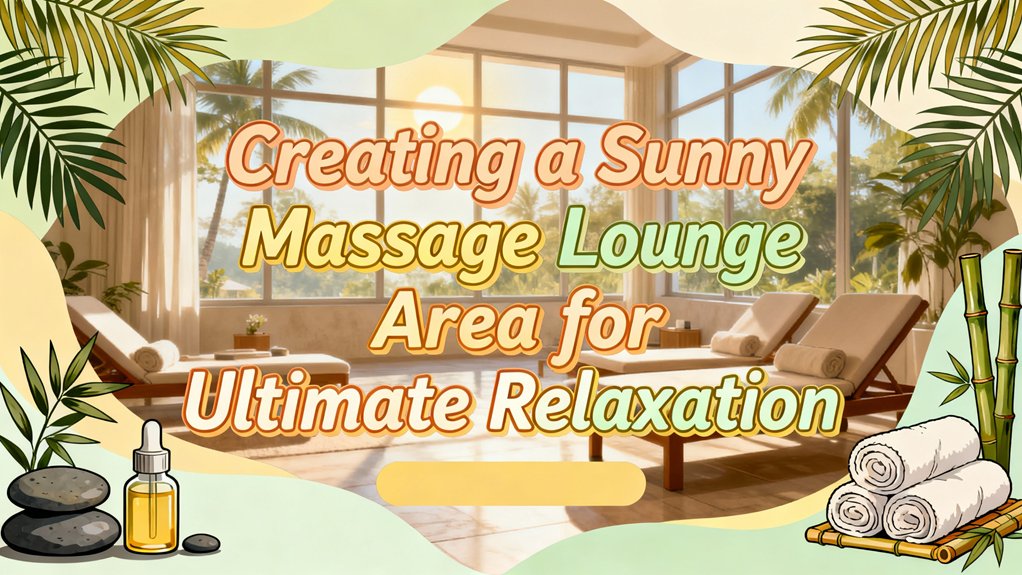
You’ll create a favorable therapeutic environment by positioning massage chairs near windows to leverage natural light’s ATP-boosting and cortisol-reducing effects. Layer calming blues and greens with natural materials like wood and stone, then integrate aromatherapy and ambient soundscapes to activate your clients’ parasympathetic nervous systems. Guarantee adequate spatial clearance and separate guest circulation from service corridors. This multisensory approach transforms your lounge into a healing sanctuary—discover how each strategic design element deepens the therapeutic experience.
Harnessing Natural Light for Therapeutic Ambiance
While you might assume massage lounges rely solely on dimmed lighting for relaxation, strategically harnessing natural light creates a scientifically supported therapeutic environment that amplifies massage benefits. Through thoughtful sunlight exposure scheduling, you optimize your clients’ circadian rhythms and melatonin regulation, enhancing sleep quality post-session. Natural daylight enhancement in your lounge activates parasympathetic nervous system responses, lowering cortisol and triggering genuine rest-and-digest states.
Position treatment areas near windows during morning and early afternoon hours to leverage bright light’s energy-boosting effects via ATP stimulation. This spatial strategy elevates alertness while maintaining tranquility. Combined with massage therapy, natural light exposure regulates your clients’ internal clocks, alleviates anxiety and depression symptoms, and supports emotional balance. Studies demonstrate that massage therapy can decrease cortisol levels up to 31%, amplifying the stress-reduction benefits already provided by natural light exposure. The red and near-infrared light wavelengths present in natural sunlight similarly support cellular repair and reduce inflammation, enhancing the therapeutic benefits of your massage sessions. Advanced massage chairs with 4D rollers and other clinical-level features further optimize these therapeutic outcomes. Research shows that massage chairs provide effective temporary relief for lower back, neck, shoulder, and stress-related discomfort, which natural light exposure can further enhance. Medical massage chairs with zero gravity recline technology and heat therapy create an optimal recovery environment when positioned to maximize natural light benefits. Beyond these immediate effects, investing in a well-designed massage lounge with optimal natural lighting positions your wellness space as a durable preventive health investment that promotes daily self-care and long-term client well-being. You’ve created a holistic sanctuary where biology and environment work synergistically.
Designing Functional Layout for Optimal Guest Flow
How you orchestrate movement through your massage lounge directly influences your guests’ neurological relaxation responses. Implement a multistage queuing model that separates reception, changing facilities, and treatment zones into distinct pathways. Position massage table heads farthest from entrances, establishing psychological safety through spatial hierarchy. Allocate 120-140 square feet per treatment room with minimum 36-inch clearances for therapist mobility. Employ staff routing optimization by segregating service corridors from guest circulation entirely—this prevents therapeutic disruption and maintains tranquility. Design specialized zones for hydrotherapy or couples’ treatments to eliminate bottlenecks. Position restrooms conveniently without obstructing flow. Use partial dividers and strategic furniture placement to create seclusion while maintaining seamless shifts. When positioning massage chairs or furniture, ensure you have adequate clearance and pathways to safely move these heavy pieces during setup and reconfiguration. Advanced massage chairs utilize motorized track systems to guide therapeutic movements, so proper spatial planning accommodates their operational requirements and positioning needs. For chairs requiring power connections, plan your layout to accommodate power cord routing without creating trip hazards or obstructing guest pathways. Incorporate neutral earth tones and natural elements throughout your space to reinforce the calming atmosphere established by your layout design. Ensure clear pathways throughout your design to optimize energy circulation and support the natural flow of movement between functional areas. Allow guests to begin with 15-minute sessions to acclimate to the massage environment without overwhelming their systems. Your layout directly supports nervous system downregulation through intentional spatial organization.
Selecting Colors and Materials That Promote Calm
Implement calming blues and greens as your foundational palette. Blue reduces stress and lowers blood pressure, while green light therapy relieves migraines and promotes healing. Ground these colors with neutral bases—beige, cream, and soft gray—that create sophisticated, supportive atmospheres without overwhelming the senses.
Layer textures for soothing tactile experience by incorporating nature-inspired organic materials like wood and stone. These elements enhance the healing environment while maintaining visual coherence. Incorporating greenery into your massage lounge brings nature indoors and adds to the calming atmosphere. Consider complementing your lounge with muscle relaxation technologies like hydromassage chairs that use warm water and strategic pressure to deepen the therapeutic experience. Traditional massage chairs with air compression and roller systems offer alternative options for those seeking different therapeutic approaches. For comprehensive full-body relief, shiatsu massage chair pads combine multiple therapeutic techniques including compression and heat therapy to enhance your lounge’s relaxation capabilities. The three-motor massage system in quality chair pads provides targeted relief for both upper and lower back areas. Studies demonstrate that regular massage sessions significantly enhance focus and mental clarity for office workers and home users alike.
Introduce pale pinks as complementary accents to evoke soft, soothing emotions. Reserve yellow and orange for targeted areas only, as these invigorating hues uplift mood without compromising the sanctuary’s tranquil essence.
Integrating Multisensory Elements Into Your Space
Your massage lounge‘s true transformative power emerges when you orchestrate scent, sound, light, and texture into a cohesive sensory experience. You’ll customize olfactory cues by diffusing lavender to reduce anxiety or citrus to uplift mood, adjusting intensity by zone. Layer ambient soundscapes—babbling brooks or forest noises—through acoustic systems that mask unwanted noise. Employ warm, dimmable lighting that shifts dynamically to enhance relaxation, paired with natural wood and diffused patterns from water features.
You’ll engage tactile senses through contrasting textures: cool marble against warm wood, plush robes, breathable linens. Integrate utilizing botanical displays and indoor plants alongside these elements. Motion sensors trigger complementary sounds, creating synchronized stimuli that deepen tranquility. The chair’s 24 airbags with air cells deliver comprehensive compression massage throughout your body, enhancing the tactile experience. Top-rated massage chairs incorporate heated 4D rollers to provide therapeutic deep tissue massage experiences that complement your sensory design. Advanced massage chairs with zero gravity technology can further enhance your lounge by distributing body weight evenly and elevating legs above heart level to reduce spinal pressure. The neutral posture positioning achieved in these chairs complements your multisensory environment by minimizing joint compression while guests experience your carefully curated sensory layers. Four-dimensional massage technology features AI-driven body scanning that automatically adjusts roller depth and pressure in real-time to deliver personalized massage experiences tailored to each guest’s unique physiology. Research indicates that consistent sensory signatures foster guest loyalty and create recognizable brand identity through intentional design choices. This multisensory integration—grounded in biophilic principles—transforms your space into an immersive wellness sanctuary where every element reinforces profound relaxation.
Managing Temperature and Humidity for Comfort
Temperature and humidity orchestrate the physiological foundation of your massage lounge’s comfort—they’re the invisible architects determining whether guests experience deep relaxation or subtle physiological stress. You’ll want to maintain water temperatures between 80°F and 90°F while keeping air humidity between 50% and 60%, the ideal conditions that prevent evaporative cooling discomfort after treatments.
Invest in precise temperature regulation through integrated HVAC systems like AnyTemp®, which automatically adjusts heating and cooling regardless of external conditions. Pair this with reliable humidity management using energy-efficient dehumidifiers with smart sensors that monitor real-time conditions. Maintaining these optimal humidity levels reduces the risk of condensation on surfaces, which can lead to mold growth and structural damage that compromises your facility’s longevity. For facilities incorporating water-based hydrotherapy systems like HydroMassage lounges, proper humidity control becomes even more critical to protect your investment. Consider complementing your facility’s environmental controls with heated massage chairs that provide therapeutic warmth and personalized comfort for guests during rest periods, though guests with cardiac devices should consult their cardiologist before using such equipment due to potential electromagnetic field interference. When selecting heated massage chairs, choose models with washable components to maintain hygiene standards in your relaxation environment. Strategic placement of massage chairs in waiting areas and recovery lounges aligns with fire safety standards and weight capacity requirements for hospital-grade installations.
Strategic ventilation—combining exhaust fans with dry air intake—removes excess moisture while protecting your structure from mold and corrosion. Remote monitoring apps let you track conditions continuously, ensuring your guests always encounter an environment calibrated for perfect relaxation and recovery.
Establishing Privacy Through Strategic Soundproofing
Because sound travels freely through conventional walls and open spaces, it’ll disrupt the serene atmosphere that guests expect in your massage lounge.
You’ll want to layer multiple soundproofing systems strategically. Install acoustic absorption panels covering 3% of your room’s cubic volume to control airborne sound effectively. For a 30x60x16 ft space, this means approximately 864 square feet of coverage on walls and ceilings. Acoustic panels aesthetically blend into your space while providing the acoustic control your guests deserve.
Deploy heavy-duty soundproof curtains weighing 10-15 pounds to separate massage areas and block inter-guest noise. Underneath your flooring, add soundproof underlayment like Floor Blokker to mitigate structure-borne vibrations that hardwood alone can’t prevent. When installing soundproof systems, remember to disconnect electrical components like cable connectors before making any structural modifications. Understanding the steps for replacing massage chair covers can also help you maintain equipment that complements your soundproofing investments. Proper soundproofing allows guests to fully experience the stress relief benefits that massage therapy provides during their sessions. The quiet environment supports reduced muscle tension and pain that clients seek from their therapeutic experience.
Combine these acoustic treatments with soundproof door covers and spa sound machines playing nature sounds. Consider investing in portable massage tables designed for professional practices to complement your soundproofed environment. This integrated approach creates acoustic isolation while maintaining your lounge’s sunny ambiance and guest privacy expectations.
Balancing Brightness With Adjustable Lighting Controls
The right lighting transforms a massage lounge from merely bright to therapeutically balanced. You’ll want adjustable LED fixtures that let you customize lighting wattage to match each treatment’s requirements. Dimmable controls give you immediate flexibility without repositioning entire systems.
Install fixtures with adjustable arms or heights that offer fixture positioning flexibility, directing light precisely where therapeutic work happens. This strategic placement eliminates glare while enhancing visibility for practitioners. Premium massage environments often incorporate features like mechanized rollers and customizable intensity controls to enhance the overall therapeutic experience. Many high-end lounges also feature SL-track massage chairs that follow the spine’s natural curvature for comprehensive therapeutic support. Advanced massage chairs utilize 4D roller technology to deliver deep-tissue treatments that mimic professional shiatsu techniques, with variable speed control allowing rollers to automatically adjust their pace and intensity during a massage. The SL-track design combines S-track spinal contours with L-track coverage to the hamstrings for superior massage compared to traditional chair designs.
Warm 3500K LED tones create tranquility that clients immediately sense upon entering. Hand controller or touch systems let you adjust settings conveniently during sessions, maintaining ideal ambiance as treatment progresses. Lightweight fixtures weighing just 9 ounces can be easily mounted beneath wood base platforms without compromising table stability or portability.
LED efficiency means you’re reducing energy consumption while sustaining therapeutic lighting quality. This balance between brightness control and professional presentation establishes the sanctuary your clients deserve.
Creating Seamless Transitions From Arrival to Relaxation
While adjustable lighting establishes the therapeutic foundation for your massage lounge, the spatial architecture itself guides how guests move through and experience that carefully calibrated environment. You’ll create soothing sightlines by establishing clear zones—arrival, treatment, and recovery areas—that flow intuitively without visual clutter or confusing pathways. Implement intuitive wayfinding through location-specific aromatics and subtle acoustic cues rather than signage overload. Position your reception with plush seating and natural materials to signal immediate comfort, then usher guests through treatment zones with sightlines that reveal each subsequent space gradually. Strategic placement of water features and soft furnishings in recovery areas encourages natural progression through thermal sequences, supporting the same deeper relaxation that trained massage therapists provide through personalized therapeutic techniques. Modern massage chairs equipped with voice control systems enable guests to customize their experience hands-free during recovery phases. Ensure that replacement remote controls are readily available to maintain uninterrupted access to massage chair functionality throughout guest sessions. Consider offering remote control accessibility for guests to adjust massage chair settings during their recovery phase. To maintain optimal performance of massage chair systems, keep Phillips-head screwdrivers and necessary tools accessible for quick maintenance of remote controls and power panels. Door sealing at head, jamb, and sill maintains acoustic privacy between treatment suites while guests transition through zones. This spatial clarity, combined with your lighting controls, transforms your massage lounge into a cohesive journey where guests feel guided toward deeper relaxation.