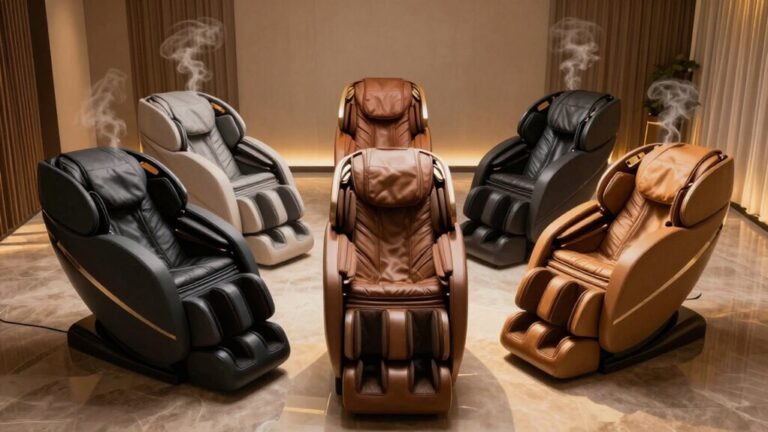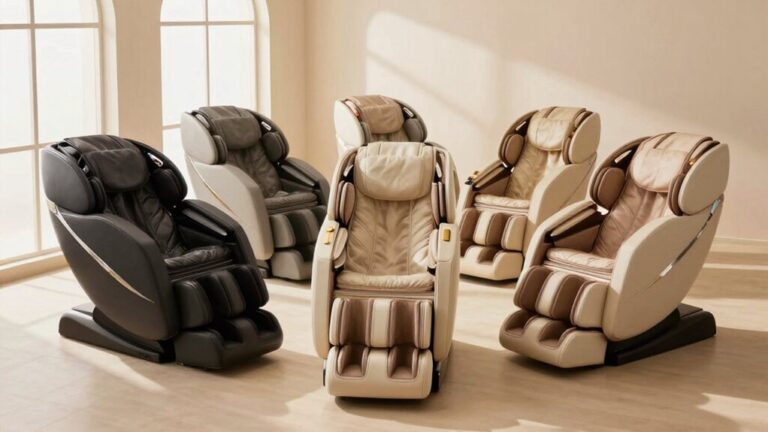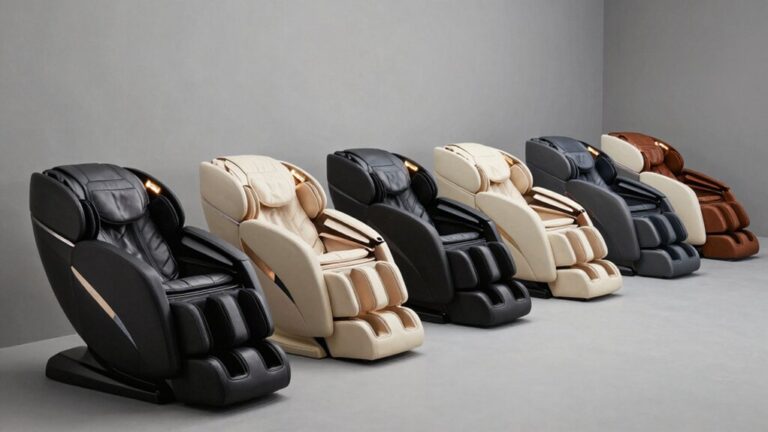

Yes, you can install massage chairs in hospital patient lounges to augment care quality. They’re proven to reduce pain, improve sleep, and decrease anxiety for both patients and staff. Leading hospitals like Cedars-Sinai have successfully implemented massage amenities as part of integrated wellness programs. You’ll need to ponder medical contraindications, guarantee proper staff training, and maintain compliance with safety standards. There’s much more to explore about optimizing this implementation for your facility.
Understanding the Benefits of Massage Chairs in Healthcare Settings
Because hospitals serve patients experiencing significant physical and psychological distress, integrating massage chairs into patient lounges offers a practical, evidence-based approach to symptom management. You’ll find that automated massage chair therapy delivers substantial pain relief benefits across multiple areas—neck, lower back, and calves—often after just 6-12 sessions. Beyond immediate discomfort reduction, you gain additional advantages including improved sleep quality improvement and decreased muscle stiffness among patients and healthcare professionals alike. Chair massage sessions typically last between 10-30 minutes, making them easily adaptable to hospital schedules and patient availability. These sessions utilize mechanized rollers mimicking therapist hands along with airbags and customizable pressure controls to optimize therapeutic outcomes.
The anti-inflammatory effects you receive stem from reduced MPO levels, a key inflammation marker, combined with enhanced circulation and diminished oxidative stress. Research demonstrates that massage chairs can lower cortisol levels up to 31%, significantly contributing to stress reduction and improved mental well-being in healthcare environments. For cancer patients specifically, heated massage chairs provide gentle symptom relief without invasive treatment, releasing endorphins while addressing pain and fatigue. Studies show that massage chairs have demonstrated no reported adverse events across diverse patient populations including oncology staff and athletes. Research indicates that massage chairs may offer cognitive function improvement, stress reduction, and mental fatigue decline alongside their physical health benefits. This cost-effective wellness perk supports your overall wellness objectives while maintaining patient comfort and satisfaction throughout their healthcare journey.
Stress and Anxiety Reduction for Patients and Staff
How can hospitals address the dual burden of patient anxiety and staff burnout simultaneously? Massage chairs offer a practical solution. You’ll find that pressure massage and compression activate your parasympathetic nervous system, releasing calming neurotransmitters that reduce anxiety scores dramatically. For healthcare professionals, just 10 minutes in a quiet room alleviates stress and improves emotional well-being during demanding shifts.
The technology promotes holistic pain management by targeting muscle tension while simultaneously supporting improved sleep quality through profound relaxation. Research confirms that regular massage chair sessions lower depression and anxiety markers while modulating your autonomic nervous system. You’ll experience enhanced circulation, reduced inflammation, and serotonin release—essential for both patients and staff traversing high-stress healthcare environments. Features such as heated rollers and acupressure enhance the therapeutic benefits for muscle recovery and spinal alignment. The zero gravity positioning further reduces joint pressure and accelerates recovery for those experiencing physical strain from prolonged sitting or standing during clinical duties. Premium massage chairs utilize 3D and 4D roller technology to deliver advanced therapeutic benefits that adapt to individual body contours and preferences. Clinical-level options like those with AI adaptive programming learn individual preferences to optimize therapeutic outcomes for diverse patient populations. Full-body massage functions including kneading, tapping, and rolling provide comprehensive therapeutic coverage that addresses multiple areas of tension simultaneously for optimal patient and staff relief. Advanced models featuring shiatsu technology mimic professional acupressure techniques to target deep core muscles and deliver intensely therapeutic sessions tailored to individual wellness needs.
Real-World Hospital Success Stories
Hospitals across the country are rolling out massage chair programs with measurable success, demonstrating that this investment translates into tangible improvements for both patients and staff. Cedars-Sinai’s Serenity Lounges have become a model, with nurses reporting significant stress reduction after brief 10-20 minute sessions. A large metropolitan hospital saw staff satisfaction surge noticeably after introducing Osaki Pro Maxim chairs in recuperation wards, while a specialized care facility noted decreased stress levels in long-term patients using customizable Infinity Presidential chairs. These initiatives achieve dual benefits: enhancing patient experience through accessible therapeutic amenities while improving provider morale by offering staff recovery spaces. Similar to premium fitness memberships that provide complimentary access to massage amenities, hospitals can offer these wellness tools as part of integrated care programs. Beyond traditional in-house installations, hospitals can also partner with on-site massage providers who bring licensed therapists to deliver chair massage services directly to patients and staff in their facilities. When selecting models for institutional settings, hospitals should prioritize chairs with durable construction and multiple massage techniques to accommodate diverse patient needs and ensure longevity in high-use environments. Hospitals benefit from comparing leading brands through authorized dealer showrooms that offer 4D dynamic massage and advanced body scanning technology to ensure optimal therapeutic outcomes. Features like heated massage and zero gravity positioning further enhance the therapeutic value of these installations. With 71.1% of staff feeling renewed after using serenity spaces, hospitals demonstrate that massage chairs represent a practical, evidence-based wellness investment.
Safety Considerations and Medical Contraindications
While massage chairs offer proven wellness benefits, they’re not appropriate for everyone. You’ll need medical supervision and trained staff oversight to safely operate hospital lounges with these devices.
Your facility should screen patients for contraindications before use. High fever, bone fractures, osteoporosis, open wounds, and recent cancer treatments require exclusion. Cardiovascular concerns—including pacemakers, heart disease, and deep vein thrombosis—demand cautious examination. Grounded wall outlets should be installed to prevent electrical hazards in clinical environments. Although modern defibrillators and pacemakers demonstrate increasing resistance to electromagnetic field interference, patients with cardiac devices should consult their cardiologist before using massage chairs.
You must also shield vulnerable populations. Pregnant patients, postoperative individuals, and those with neuropathy face heightened risks. For pregnant patients specifically, massage chair use should be limited to low, gentle settings to ensure safety for both mother and fetus. Facilities can verify patient eligibility by requiring a Letter of Medical Necessity from attending physicians to document that massage chair therapy is medically appropriate for individual patients. Insurance coverage through Health Savings Accounts or Flexible Spending Accounts may help offset costs for patients with qualified medical expenses and proper documentation. Premium therapeutic massage chairs featuring elements like 4D massage and heat therapy can provide enhanced pain relief and recovery benefits when used appropriately. Your staff should enforce strict usage protocols: limit sessions to 20 minutes, maintain fabric barriers, and monitor for skin irritation.
Implement hygiene standards in public chairs to prevent disease transmission. These precautions guarantee your massage chair program enhances patient wellness safely and responsibly.
Fire Safety and Compliance Requirements
Four critical areas demand your attention when installing massage chairs in hospital patient lounges: upholstery flammability, electrical safety, material compliance, and operational protocols.
You’ll need upholstered seating meeting California TB 116 and TB 117 standards, plus NFPA 101 Life Safety Code requirements. Your electrical safety protocols must include grounded outlets with RCD protection and GFCIs in moisture-exposed areas. Never daisy-chain power strips, as this violates fire codes.
Source furniture with verified certifications like IS 15758 or BS 7176 test reports, ensuring flame-retardant foams and low-smoke adhesives. Position chairs near fire suppression systems and maintain clear evacuation routes. Seamless finishes and non-porous materials on massage chair upholstery help prevent germs from accumulating during frequent cleaning cycles. Enforce operational limits: low heat settings, 20-minute maximum sessions, and monthly cord inspections. The microprocessor coordination of multiple therapeutic elements ensures chairs operate safely within hospital environments. Selecting reputable brands with superior construction ensures your investment maintains compliance standards over the chair’s operational lifespan. To maximize patient comfort while maintaining safety, staff should familiarize themselves with pre-programmed settings that balance therapeutic benefits with compliance requirements. These compliance measures protect patients while meeting Joint Commission standards.
Durability Standards and Quality Specifications
Because massage chairs in patient lounges endure constant use and frequent sanitization, you’ll need to prioritize durability standards that guarantee longevity and performance in demanding healthcare environments. Look for models featuring high-grade synthetic leather, sturdy frames, and reliable motors—components that withstand hospital-grade wear without compromising structural integrity.
Verify compliance with UL or CE standards, which safeguard safety and consistent performance. You’ll want ergonomic design considerations built into chairs like the Osaki Highpointe or Solis, models specifically engineered for healthcare durability. Professional-grade massage chairs like the Stronglite Ergo Pro II demonstrate how T6 heat-treated aluminum frames can support demanding healthcare environments while maintaining exceptional longevity. Chairs with zero gravity positioning and adjustable features ensure proper patient positioning during extended therapeutic sessions. The 4D roller technology found in advanced models provides therapeutic benefits that enhance patient outcomes in clinical settings.
Consider long term cost efficiency by selecting quality chairs anticipating 10-15 years of regular use with proper maintenance. When replacement parts become necessary, suppliers like Relaxonchair and BestMassage.com offer specialized replacement components to extend chair functionality without full replacement. Beyond the immediate purchase price, massage chairs deliver long-term cost savings compared to ongoing patient wellness program expenses, paying for themselves through unlimited therapeutic use. Register warranties covering in-home labor, and document routine cleaning per manufacturer instructions. Well-maintained chairs from reputable manufacturers can significantly extend lifespan beyond initial expectations, reducing replacement costs over time. This investment protects your facility’s resources while securing patient safety and satisfaction.
Strategic Placement Options Throughout the Hospital
Strategic placement of massage chairs throughout your hospital requires thoughtful consideration of patient flow, accessibility, and the therapeutic environment you’re trying to create. You’ll find that corner locations in central gathering spaces work well, offering full recline without obstruction. Position chairs near existing amenities like televisions to integrate them naturally into lounge layouts. Wall placement preserves traffic flow while maintaining an open feel. For staff collaboration, designate quiet break rooms or serenity lounges specifically designed for respite. You can also utilize hallway corners and near staircases as mini relaxation stations. Guarantee adequate clearance—typically 2-3 inches behind units—for proper functionality. Incorporate calming scents like lavender through essential oil diffusers near massage chair areas to enhance the therapeutic experience. Consider designing your massage chair spaces with minimalist neutral palettes and natural materials to foster deeper tranquility. For optimal therapeutic benefits, recommend 15-20 minute sessions to patients using these spaces. Advanced massage chair models with zero gravity technology can further enhance patient comfort by distributing body weight evenly and elevating legs above heart level to reduce spinal pressure. Involve your staff in placement decisions to maximize patient participation and identify high-stress areas where therapeutic support’s most needed. When planning furniture arrangements, ensure adequate clearance and pathways allow staff to safely maneuver these heavy units during installation and maintenance. Consider positioning chairs to provide tranquil views that contribute to the healing environment and patient recovery outcomes.
Customizable Features for Diverse Patient Needs
While massage chairs can benefit many patients, their therapeutic value truly emerges when you customize features to meet individual needs. Modern massage chairs offer modular design options that let you adjust intensity levels, massage techniques, and heat therapy settings for specific patient conditions. You’ll find automated software controls integrate Smart Full Body Medical Scan technology, which detects individual body dimensions and adjusts roller placement accordingly. This precision guarantees ideal pressure for neck, back, and lower extremities. Variable-speed settings combined with heat therapy address muscle stiffness, while zero gravity positioning reduces spinal pressure. The 128-degree recline feature, inspired by astronaut-designed positioning, enables weightless spinal decompression that enhances patient comfort during therapeutic sessions. You can manually fine-tune air intensity and targeted zones based on patient preferences. Unlike fixed models, advanced chairs use dynamic rollers that adjust in real-time, ensuring consistent depth and targeted relief across different patient anatomies. The 4D quad rollers found in advanced models mimic the techniques of professional massage therapists, providing superior therapeutic outcomes for diverse patient conditions. Top zero-gravity massage chairs like the Mynta MC1630 and Titan Ronin demonstrate how deep recline capabilities combined with advanced technology create optimal therapeutic environments for patient recovery. Medical Breakthrough massage chairs incorporate patented features such as the Zero Gravity Sleep System™ and True 4D Deep Tissue Massage System™ that are specifically designed for superior pain relief and relaxation. Medical Breakthrough 7 chairs are backed by 3-year warranty with free in-home repairs by technicians across the US and Canada, ensuring consistent performance in hospital settings. These customizable features enable your hospital to provide personalized therapeutic experiences that accommodate diverse patient populations and medical needs effectively.
Hygiene and Maintenance Best Practices
Personalizing massage chair settings maximizes therapeutic benefits, but you’ll only sustain those advantages through rigorous hygiene and maintenance protocols. You should establish a cleaning frequency that matches your patient volume—wiping high-touch surfaces like armrests and control panels after each use prevents bacterial transmission. Implement disinfection protocols on all contact points using hospital-grade disinfectants applied to soft cloths, avoiding direct spraying on electronics. You’ll need to vacuum crevices and vents regularly to maintain proper airflow and prevent equipment damage. Schedule deep cleaning every one to two months, and document all procedures for compliance tracking. Monthly inspections of cables, seams, and mechanical components catch wear early. When inspecting internal components, ensure cable connectors are securely fastened and show no signs of deterioration. If you identify deterioration in power cords or connectors during inspection, consult OEM replacement parts specifications to source compatible components for your specific massage chair model, using a Phillips head screwdriver and proper strain relief techniques when accessing internal connections. For remote control replacements, contact Ergotec’s official support to obtain compatible replacement parts directly from their service department. Carefully disconnect the remote cable connectors by color or alignment to avoid losing small components. Regularly check the airbag areas for any damage or leaks that could compromise patient safety. Professional servicing every six to twelve months guarantees optimal safety and functionality for your patient population.
Implementation Guide for Hospital Administration
Three critical factors will determine your massage chair installation success: proper spatial planning, correct assembly, and strict adherence to safety protocols. You’ll need to designate a dedicated lounge area with adequate clearance—at least 5 inches from walls and 30 inches from obstructions. You should position chairs away from AV devices to prevent signal interference and near standard electrical outlets.
Your wellness programs benefit greatly when you integrate UL and FDA-listed medical massage chairs. Popular brands like Oakworks, Earthlite, Master Massage, and NRG offer reliable portable tables suitable for healthcare environments. The Earthlite Vortex, for example, features an ultra-lightweight aluminum frame design that facilitates easier installation and repositioning within patient lounges. For maximum portability and flexibility in patient lounges, consider compact designs with carrying cases that weigh between 15-18 lbs and can be easily relocated. Most quality folding massage chairs are designed with weight capacity ranging from 300 to 650 lbs, allowing hospitals to accommodate diverse patient populations. Leading manufacturers like Oakworks provide lifetime warranty coverage and optional accessories such as sternum pads for enhanced patient comfort during therapeutic sessions. You’ll want to assign staff to oversee setup, ensuring proper armrest and footrest installation with secure electrical connections. Staff should search for installation videos specific to your chair model to ensure technicians understand the assembly requirements. You must restrict access to patients over 14 and prohibit empty chair operation.